Introduction
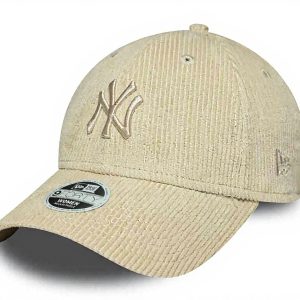
I never thought much about the small things I carried with me each day until the earthquake in Gilroy shifted my perspective. It was one of those ordinary Tuesday afternoons when the ground decided to remind us all of its power. I was wearing my New Era Yankees Damen Cord Cap that day, the one I’d bought months earlier mostly for style. The cap had become part of my daily uniform, something I threw on without much thought as I headed out the door. But as shelves rattled and the world momentarily lost its stability, I found my fingers instinctively reaching for the brim of that cap, adjusting it almost as a grounding gesture. It was in that moment I realized how deeply attached I’d become to this simple accessory, and how it represented something more substantial than just team loyalty or fashion.
Real-life Context
Living in Northern California means accepting that earthquakes are part of the landscape, both literally and metaphorically. The tremor that hit Gilroy wasn’t the big one everyone fears, but it was significant enough to send ripples through our daily routines. I remember standing in my kitchen when it started, the gentle sway building into something more assertive. My first thought was for safety, of course, but my second was strangely practical—what did I need to have with me if this continued or worsened? I was already wearing the Yankees cap, having put it on that morning as part of my usual getting-ready ritual. The cap had entered my life during a baseball season when I’d wanted to show support for my team, but it had stayed because of its surprising versatility. The adjustable metal buckle meant it never felt too tight or loose, and the cord material breathed well during our variable California weather. On that particular day, it was just another part of my outfit until it became something more.
In the days following the earthquake, our community moved through that peculiar California rhythm of acknowledging the event while carrying on with life. There were conversations in grocery store lines, shared glances when trucks rumbled by a little too loudly, and that general awareness that lingers after the ground has moved beneath you. I found myself reaching for the cap more consistently during this period, not just as sun protection or style, but as something familiar in a moment when familiar felt important. The weight of it—just 150 grams according to the specifications—became comforting rather than merely practical. I wore it to the market, on walks through the neighborhood, even while working from home on my patio. It became my normalcy anchor in a time when normal had briefly shifted.
Observation
What struck me most in the weeks after the earthquake was how my relationship with this cap had evolved. Initially, it was purely about aesthetics—the classic Yankees design appealed to my sense of style while allowing me to represent my team. But now I noticed different qualities. The cord material, which I’d originally chosen for its texture and appearance, proved remarkably adaptable to temperature changes. Mornings in Gilroy can be cool with coastal influence, while afternoons often warm significantly. The cap breathed well throughout these shifts, never feeling stuffy or insufficient. The adjustable metal closure system, which I’d taken for granted, meant I could wear it comfortably for hours without that headache-inducing pressure some caps create. These weren’t features I’d actively sought out when purchasing, but they became appreciated through consistent use.
I began observing how I used the cap across different scenarios, much as the product description had suggested but with my own personal context. It did indeed work well for casual outings—trips to the farmer’s market, walks along the creek trail, even that necessary coffee run when home felt too confined post-earthquake. But I also found it served less expected purposes. During video calls with family back east who’d heard about the earthquake, wearing the cap felt like presenting a version of myself that was put-together, even when I didn’t entirely feel that way. When friends gathered cautiously in parks rather than homes, the cap marked my spot on a blanket or shaded my eyes during conversations that inevitably circled back to the tremor and its aftermath. It became both practical object and subtle social signal.
The craftsmanship revealed itself through these daily wear patterns. The stitching held firm, the colors didn’t fade despite increased sun exposure, and the shape maintained its structure even when stuffed in a bag or worn through windy conditions. These might seem like small details, but when you’re navigating the minor disorientations that follow even a moderate earthquake, consistency in the objects around you takes on new significance. The cap became one of those reliable elements in my day, something I could count on to perform exactly as expected when other things felt less certain.
Reflection
I didn’t realize at the time that this would be so important, but the earthquake in Gilroy taught me about the quiet value of everyday objects that earn their place in our lives. Before that Tuesday, my Yankees cap was just another accessory among many—something I liked well enough but could have easily replaced. Afterward, it represented something different entirely. It wasn’t about the brand or even the team logo anymore; it was about how this particular object had integrated itself into my daily existence so thoroughly that its absence would have felt notable. The way it fit, the weight of it on my head, even the tactile experience of adjusting the metal buckle—these had become part of my sensory landscape.
This reflection led me to consider why certain objects become essential while others remain peripheral. The cap’s design clearly played a role—its versatility across seasons meant it was rarely inappropriate, its adjustable nature meant comfort wasn’t compromised, and its quality construction meant it withstood increased use without deterioration. But beyond these practical attributes, there was something about its consistency that resonated during a period when consistency felt precious. In the days following the earthquake, as we all recalibrated to the knowledge that solid ground isn’t always solid, having familiar objects that performed reliably provided a subtle but meaningful anchor.
I thought about the product’s description mentioning it was designed specifically for women, and how that specificity translated to my experience. The proportions felt right, the weight distribution comfortable for longer wear, and the style balanced between sporty and fashionable in a way that suited my daily movements between home, errands, and outdoor spaces. These weren’t features I’d actively considered when purchasing, but they became appreciated through lived experience. The cap worked with my life rather than requiring adaptation to it.
There’s also something to be said for objects that serve multiple purposes without shouting about their versatility. The cap provided sun protection, represented team loyalty, served as a fashion statement, and—unexpectedly—offered psychological comfort during disorienting times. It did all this without being overtly multipurpose in design; its value emerged through use rather than being explicitly engineered. This organic discovery of an object’s full potential feels different from being sold on features, more authentic and personally meaningful.
Conclusion
Months have passed since the earthquake in Gilroy, and life has largely returned to its previous rhythms. The heightened awareness has softened, though never completely disappeared—as is the California way. My Yankees cap remains part of my daily routine, but my relationship with it has permanently shifted. Where once it was primarily about style and team representation, now it carries the memory of that day and the period that followed. It reminds me that sometimes the objects we consider incidental reveal their importance only when circumstances change around us.
The cap continues to perform exactly as it did before—the cord material still breathes well through temperature changes, the adjustable closure still provides perfect fit without pressure points, the lightweight construction still makes it comfortable for extended wear. But these features now connect to a broader understanding of how everyday objects can provide stability, both practical and emotional. They become touchstones in our lives, representing not just their functional purpose but the moments we’ve experienced while using them.
I sometimes wonder if I would have developed this same connection to the cap without the earthquake context. Perhaps not with the same intensity, but I suspect the qualities that made it valuable during that period would have revealed themselves gradually through ordinary use. Good design has a way of doing that—it serves you well in extraordinary circumstances precisely because it serves you so consistently in ordinary ones. The earthquake didn’t create the cap’s value so much as reveal dimensions of it I might otherwise have verlooked.
Now when I see others wearing their own versions of everyday essentials—whether baseball caps, favorite jackets, or well-worn bags—I wonder about the stories those objects carry. They’re not just accessories or practical items; they’re companions through our days, witnesses to our experiences, sometimes even anchors when the ground shifts beneath us. My Yankees cap will eventually wear out, as all well-used objects do, but what it taught me about the quiet importance of reliable companions in daily life will remain long after the last thread frays.